
What is Ramato Wine
If you've ever picked up a glass of Pinot Grigio expecting pale straw and gotten copper or pale salmon-pink instead, you've met ramato. Rather than a flaw or a novelty, it's actually the grape's original style, and understanding it changes how you think about Pinot Grigio entirely.

The Name and the Colour
"Ramato" comes from the Italian word rame, meaning copper. It describes a Pinot Grigio made with extended skin contact, giving the wine its signature coppery, pink-gold hue. The colour isn't a production trick or an additive. The colour actually comes directly from the grape itself.
Pinot Grigio's skin isn't actually green. It's a grayish-pink, sometimes closer to blue-gray, since the grape is a genetic mutation of Pinot Noir. Most modern Pinot Grigio is pressed quickly and fermented off the skins in stainless steel, which strips out that pigment and leaves you with the pale, neutral wine most people picture. Ramato producers do the opposite: they let the juice macerate on those skins for anywhere from a few hours to several days before pressing, pulling colour, tannin, and aromatic compounds out along the way.

A Return to Tradition
This isn't a modern winemaking trend dressed up as heritage. Ramato is how Pinot Grigio was traditionally made in Friuli-Venezia Giulia, in Italy's northeast, going back well over a century. This was before stainless steel tanks and temperature-controlled, cold fermentation became standard in the mid-20th century and pushed winemakers toward paler looking whites to match international market expectations. So it was the technology and the taste trends that came with it that changed the way we see most Pinot Grigios today.
It's worth noting that a handful of producers in Friuli never abandoned the method, and in the last couple of decades more have deliberately revived it, partly as a stylistic choice, and partly as a rejection of the mass-market, neutral Pinot Grigio that dominates supermarket shelves.
What Is The Difference Between Ramato and Rosé?
This is the question ramato gets asked constantly, and the answer comes down to grape, method, and intent.
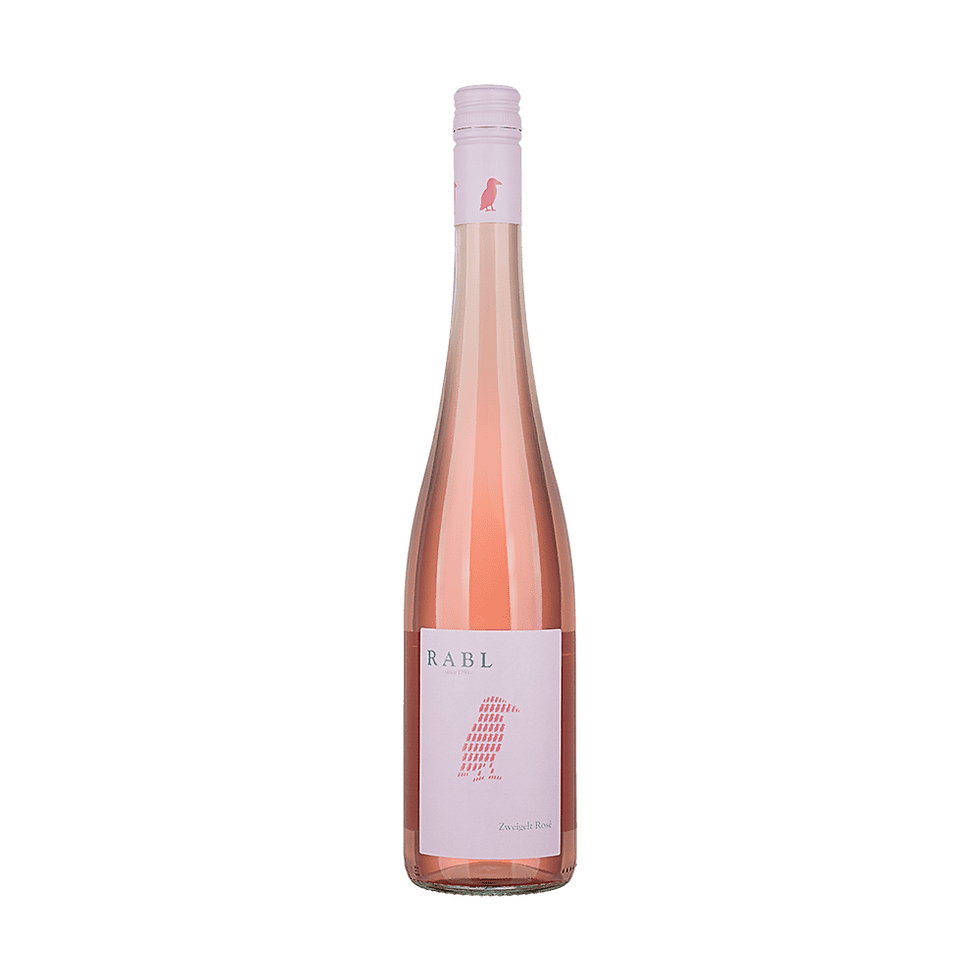
Rosé is almost always made from red or black grapes like Grenache, Sangiovese, Syrah, and Pinot Noir, to name a few.
Rosé winemaking uses brief skin contact specifically to pull some colour while keeping the wine light, fruity, and built around red-fruit character. The whole point is a short, controlled maceration that stops well short of anything resembling red winemaking.
Ramato starts from a technically white grape variety and pushes skin contact further and with different intent.
Depending on the producer, maceration can last from several hours to multiple days, drawing out tannin and structure alongside colour.
The resulting wine tends to have more grip, more texture, and a savoury, mineral-driven profile rather than the typically bright, red-berry lift of rosé.
To sum it up, rosé is a red grape made to taste light. Ramato is a white grape made to show more of what it's actually capable of.


Comments