
All About Pinot Blanc
Let’s talk about a grape that doesn’t always get the spotlight it deserves: Pinot Blanc. It’s not the loudest white wine in the room, and honestly, that’s part of its charm. If Pinot Grigio is the friend who arrives early with energy and sparkle, Pinot Blanc is the one who shows up a little more quietly but ends up being surprisingly easy to love.

What Is Pinot Blanc
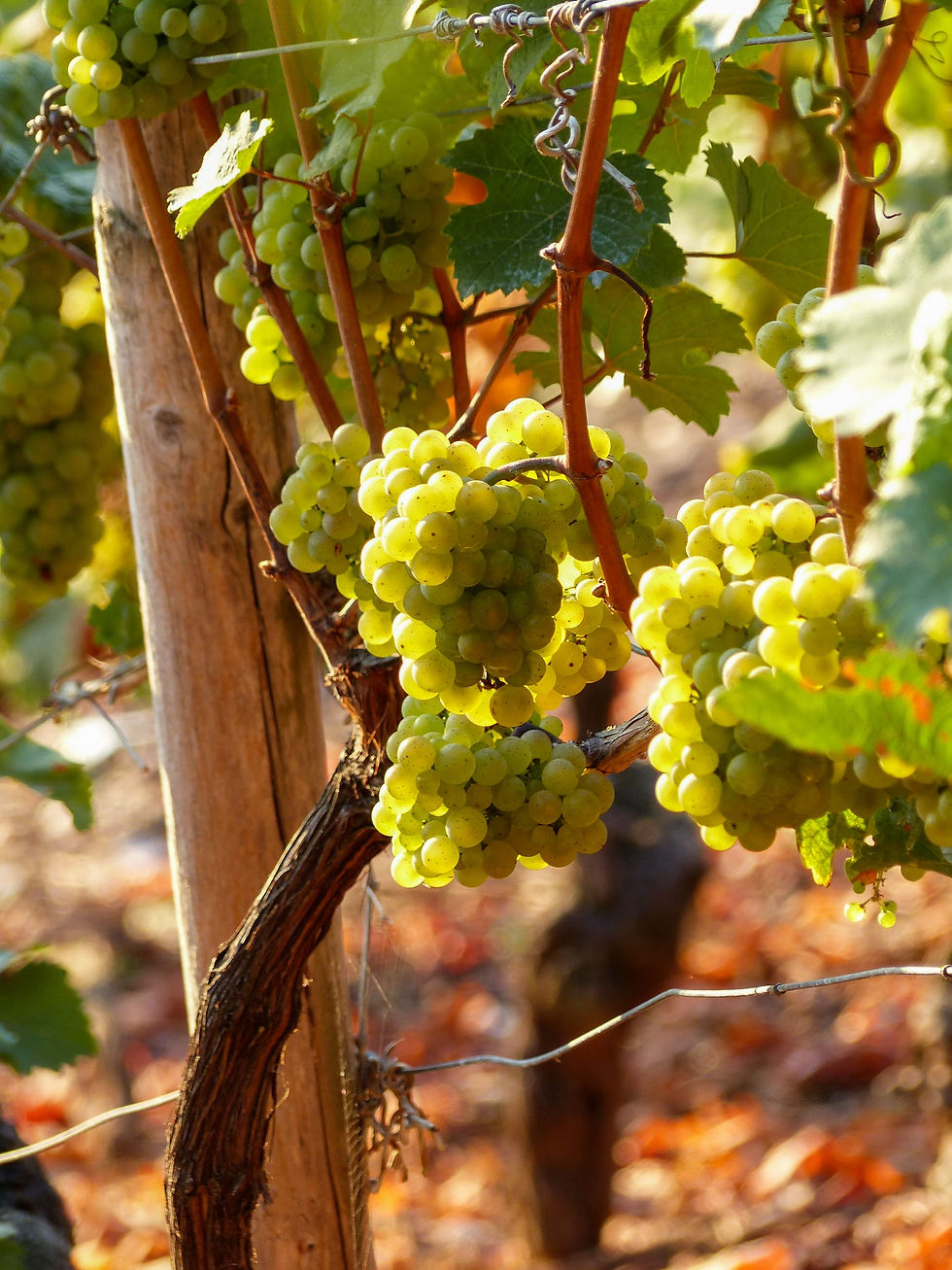
Pinot Blanc is a white wine grape in the Pinot family, which also includes Pinot Noir and Pinot Grigio. It actually comes from a mutation of Pinot Noir, which is one of those fun little wine facts that makes the grape family feel even more connected. Pinot Blanc may not be as famous as Chardonnay or Pinot Grigio, but it has a lovely, understated personality that wine lovers should absolutely know about.
In the glass, Pinot Blanc is usually fresh, smooth, and balanced. It often shows flavours like green apple, pear, citrus, and sometimes white peach. Depending on where it’s grown and how the winemaker makes it, it can lean crisp and clean. Some versions are stainless steel and bright, while others might see a bit of oak, which adds texture and a softer edge. It’s the kind of wine that feels effortless without being boring, which is honestly a pretty great place to be.
Pinot Blanc is also one of those grapes that can play a supporting role really well. In blends, it is often valued for the roundness and quiet structure it brings rather than for bold aromatics or intense acidity. It can help smooth out a wine, add a little mid-palate weight, and make the final blend feel more polished and approachable.
Where Is Pinot Blanc Grown
Pinot Blanc is one of those grapes where I can say you can find a little of it everywhere, but it really shines in cooler wine regions. France’s Alsace is one of its most important homes, where it’s a classic white wine on everyday tables. In Italy, it’s known as Pinot Bianco and is especially important in places like Alto Adige and Friuli. Germany calls it Weissburgunder, and Austria has a strong tradition with it too. You’ll also find smaller amounts in regions like California (coastal and mountain) and Canada, where it can do really well in cooler climates.
Pinot Blanc vs. Pinot Grigio
Now, let’s get into the comparison people always ask about.
Pinot Blanc and Pinot Grigio are related, but they don’t taste the same. Pinot Grigio usually comes across as lighter, zingier, and more citrus-driven, especially in the crisp Italian style most people know. Pinot Blanc tends to be a little softer and rounder, with more apple, pear, and a gentle texture. If Pinot Grigio is bright and lively, Pinot Blanc is calm, polished, and quietly charming.
That difference in style makes Pinot Blanc really versatile at the table, as it doesn't try to overpower your meal; it’s just there to make everything taste a little better.
For me, Pinot Blanc is one of those wines I love recommending to people who want something white, food-friendly, and easy to enjoy without feeling too predictable. It’s familiar enough to feel approachable, but different enough to keep things interesting. And sometimes that’s exactly what a good wine should be.


Comments