
Lombardy Wines: Franciacorta, Valtellina And More
When people talk about Italian wine, the usual stars tend to show up first: Tuscany, Piedmont, Veneto. But if you love discovering wines with personality and a sense of place, Lombardy deserves your attention.
In north-central Italy, this region is one of the country’s most diverse wine areas, producing everything from refined sparkling wine to serious alpine reds. It may not always get the spotlight, but that is exactly part of its charm.
Lombardy is also a region that rewards curiosity. It’s home to lake breezes, alpine slopes, and a wine culture steeped in tradition. In other words, there is a lot going on here, and the wines reflect that beautifully.

Where Lombardy Fits in Italy
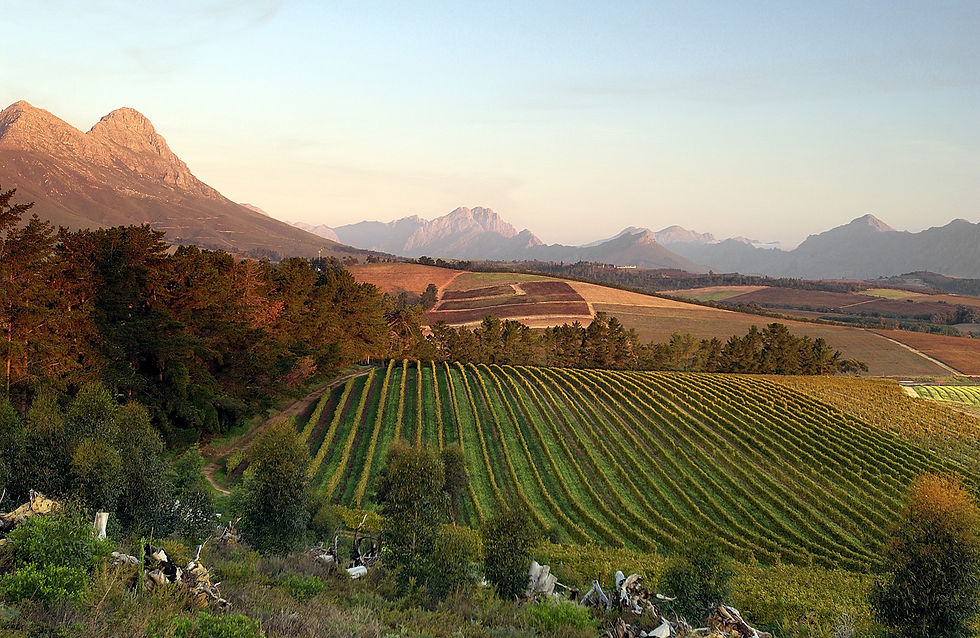
Lombardy stretches across a mixed landscape in northern Italy, and that geography matters a lot. The region’s climate changes dramatically depending on where you are, from the cool Alpine vineyards of Valtellina to the softer, lake-influenced zones around Garda and the more celebrated sparkling wine country of Franciacorta. That mix of conditions gives Lombardy a broad yet distinctive wine profile.
The region has a strong appellation structure too, with multiple DOCG, DOC, and IGT designations spread across its winemaking zones. That tells you two things: first, Lombardy takes quality seriously; second, there is a wide range of styles to explore beyond the bottles most people already know.

The Soils And Waters That Give Lombardy Its Edge
The soils in Lombardy are as varied as the wines themselves, reflecting the region's dramatic geology. In Valtellina, you'll find stony, sandy, quartz-rich slopes that retain heat by day and radiate it back at night, helping Nebbiolo (Chiavennasca) ripen in high-altitude spots over 400 meters up. These rocky soils add a mineral snap and elegant structure to the reds.
Around Franciacorta and Oltrepò Pavese, clay-limestone and marly soils dominate, offering good drainage while holding just enough water for balanced acidity in Chardonnay and Pinot Nero. Near Lake Garda, glacial moraine soils, sandy with limestone flecks, give Lugana's Turbiana that polished, almondy finesse. It's this soil diversity that lets Lombardy punch above its weight in quality.

Bodies of water are also Lombardy's secret weapon for grape growing, moderating temperatures and keeping vineyards healthy. Lake Garda, straddling Lombardy and Veneto, is huge (it is Italy's largest lake), and its breezes whisk away humidity, slashing disease risks for tight-clustered grapes like Turbiana in Lugana or Groppello in Valtènesi rosés. The lake's thermal mass keeps nights cool and days mild, locking in freshness and aromatics.
Lake Iseo plays a similar role for Franciacorta, its waters softening the continental climate to protect Chardonnay and Pinot Nero from harsh frosts or summer extremes. Even smaller lakes like those in the Brianza area add microclimates that benefit still whites. Up north, alpine rivers and snowmelt influence Valtellina vineyards, ensuring steady irrigation without excess moisture.
The Many Wine Styles You Can Find In Lombardy
One of the best things about Lombardy is that it refuses to be boxed in. Yes, Franciacorta gets a lot of attention, but the region also produces still whites, rosés, and reds from both local and international grapes. That variety makes Lombardy a fascinating region for wine lovers who enjoy moving beyond the obvious choices.
Franciacorta: The Sparkling Star
If Lombardy has a headline act, it is Franciacorta. Made using the traditional method, this is one of Italy’s most respected sparkling wines and a true rival to many prestige sparklers from elsewhere in Europe. The wines are typically crafted from Chardonnay, Pinot Nero, and Pinot Bianco, and they can range from crisp and zesty to creamy and complex.
What makes Franciacorta so appealing is that it delivers sophistication without feeling stuffy. You get those lovely notes of citrus, brioche, and ripe orchard fruit, but the wines often keep a lively freshness that makes them very food-friendly, and that's very important in my books. If you like Champagne but want to explore an Italian expression with its own identity, Franciacorta is a very good place to start.
Valtellina and Alpine Reds
On the opposite end of the style spectrum, Valtellina shows off Lombardy’s more mountain-driven side. This alpine valley produces elegant reds from Nebbiolo, locally known as Chiavennasca, and the wines can be wonderfully expressive. Because the vineyards sit in a cooler, dramatic setting, the wines tend to show brightness, structure, and a savoury edge rather than heavy richness.
Valtellina is especially interesting for people who think Nebbiolo only belongs in Piedmont. Here, it takes on a leaner, more lifted personality, with red fruit, floral notes, herbs, and mineral tension. These are wines that often improve with a little age, but they can also be delicious when you want something refined and not overly powerful.
Lugana and Lake Garda
Lombardy also has a softer, sunnier side around Lake Garda, where white wines like Lugana shine. Lugana is made from the Turbiana grape and is known for its fresh, floral, and subtly nutty character. It often has a clean, polished texture that makes it easy to enjoy on its own, but it also works beautifully at the table.
This is the kind of wine that feels tailor-made for simple, fresh foods, such as grilled fish or just a spread of antipasti on a warm evening. It is one of those styles that quietly wins people over because it is both approachable and distinctive.
In Lombardy as a whole, you will also find wines made from grapes such as Pinot Noir, Chardonnay, Trebbiano di Lugana, and other local varieties that reflect the region’s diversity. In practical terms, that means Lombardy can offer a bottle for nearly any mood and anybody!
Standout Wineries to Know in Lombardy
Lombardy's top producers are all about mixing classic vibes with a modern twist, and they’re getting noticed by sommeliers and critics all over the world. These are the go-to names that pros recommend when chatting about the region.
Ca' del Bosco (Franciacorta): Hands down the most popular with certified wine professionals. This estate is a Franciacorta powerhouse, producing benchmark sparkling wines like their Cuvée Annamaria Clementi.
Bellavista (Franciacorta): Another pro favourite, known for Gran Cuvée and single-vineyard stunners that rival top Champagnes. It's bright, almond style gets consistent love from me.
Nino Negri (Valtellina): The go-to for Valtellina Superiore Sfursat. Here you are looking at fantastic Nebbiolo reds with alpine spice. These wines are balanced and ageable!

Ricci Curbastro (Franciacorta and Lugana): Biodynamic pioneer with stellar reviews for refined sparklers and Lugana whites. Many highlight its terroir focus and historical cellars.
ArPePe (Valtellina): Artisan star for terroir-driven Valtellina reds like Ultima. This is truly high-altitude purity with minimal intervention.
Why Lombardy Deserves a Spot on Your Radar
Lombardy may not be the first region people mention when they talk about Italian wine, but it absolutely deserves a place in the conversation. It offers sparkling wine with real finesse, reds with alpine energy, and whites that are fresh, versatile, and food-friendly. In a country full of famous wine regions, Lombardy stands out for being both diverse and deeply rewarding.
If you're interested in learning more about wines and wine regions that are often overlooked, Lombardy is worth discovering. Begin with a Franciacorta for some sparkle, opt for Lugana if you enjoy crisp white wines, and explore a Valtellina red to experience a unique aspect of Nebbiolo.
Lombardy might be underrated, but that's precisely what makes it so enjoyable to drink and write about.

Comments